
Page 2 - STIHL Linetrimmers & Brushcutters
Discover how to achieve a perfectly manicured lawn with our expert STIHL Line Trimmer guides. From techniques for efficient trimming to tips for refilling your line trimmer, we've got everything you need to know right here. Our comprehensive buying guides also help you find the best Line Trimmer and accessories for your specific needs. Explore our guides and tips and achieve a professionally manicured look in your own backyard.
-
Posted: November 15, 2022
 Read more »
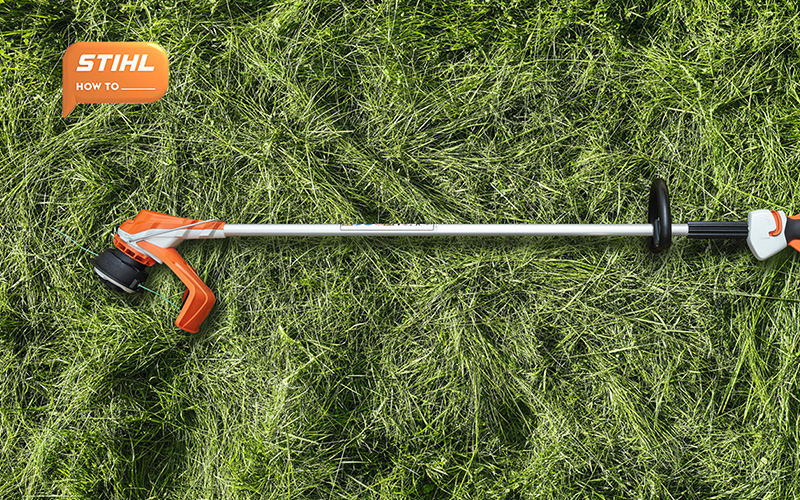
When the time has come to replace the mowing line in your Grass Trimmer, having the correct technique will save you a lot of frustration. This article has instructions for all the common heads in the STIHL range. We also have a great tip for making Nylon Line easier to work with!
-
Posted: November 15, 2022
 Read more »
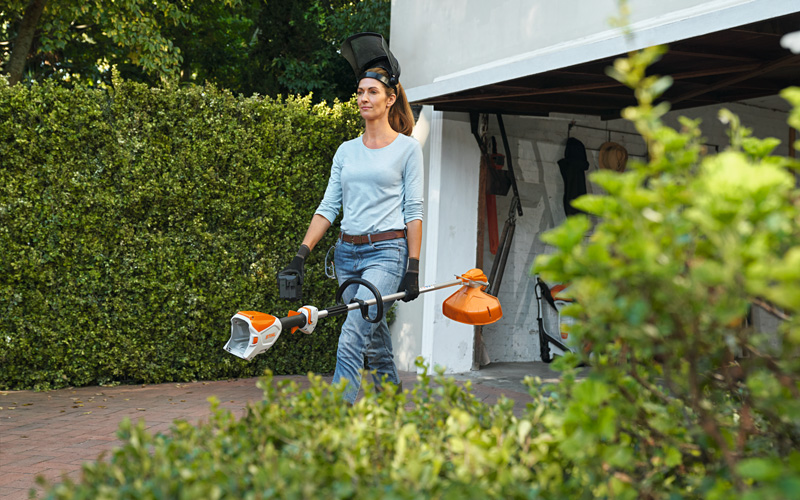
Designed for those hard-to-reach areas that a lawnmower just can’t get to, a line trimmer is the perfect tool to turn the messiest of garden paths into something you’d see in a garden magazine. Turn an unwelcoming edge into one that says ‘welcome, come on in’.
-
Posted: November 13, 2022
 Read more »
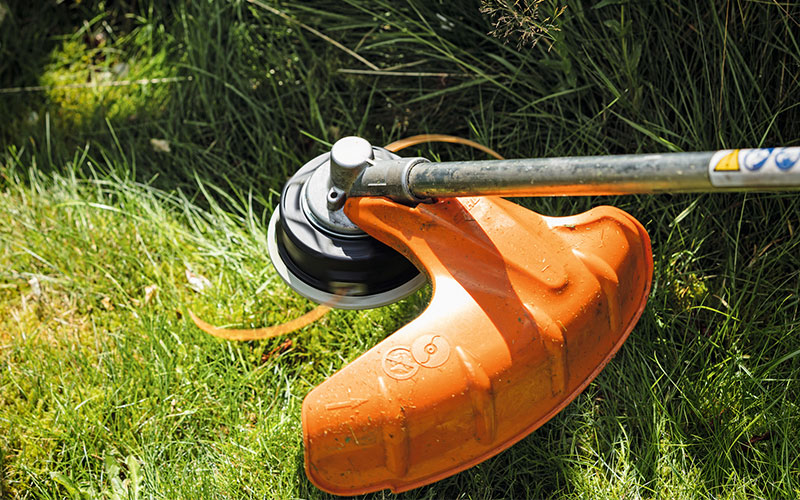
Using the right cutting attachment will ensure you get the most out of your tool. But which mowing head is the right one? What is the difference between a STIHL AutoCut and a STIHL PolyCut? Which mowing head does your Line Trimmer take? Read on to find the right head for your mowing job.
-
Posted: October 27, 2022
 Read more »
Line Trimmers are a must have to clean up scruffy edges and keep your lawn looking neat. But which Line Trimmer is best for you? Read on to find out more about STIHL Battery Line Trimmers and Petrol Line Trimmers, to help you choose the right one for you.
-
Posted: October 24, 2022
 Read more »
Ensuring that you have the correct fuel mixture is essential for optimal performance and prolonging the life of your petrol tool. The fuel mixture should be a blend of two-stroke engine oil and petrol. The recommended fuel-to-oil ratio for most two-stroke engines is 50: In this article, we cover everything you need to know to help keep your tools at their best.