
Cheap Oil vs Quality Oil: What's the Real Cost?
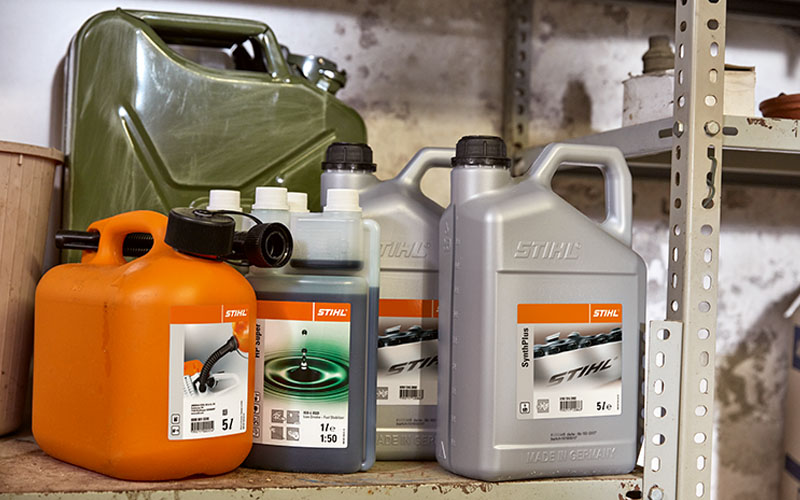
When maintaining your outdoor power equipment, it is tempting to reach for the cheapest bottle of oil. Saving a few dollars today seems like a win, but a small saving now can lead to massive repair costs tomorrow. The primary job of two-stroke oil is to lubricate the critical internal moving components of your engine, specifically the piston and the cylinder. Without proper lubrication, these parts don't last.
The piston is the engine's powerhouse. It moves up and down inside the cylinder, compressing the fuel mixture and converting combustion energy into the mechanical force that drives your chainsaw, trimmer, or blower.
To see exactly how oil choice affects your equipment, Phil Needham, STIHL Product Manger shows three distinct piston examples:
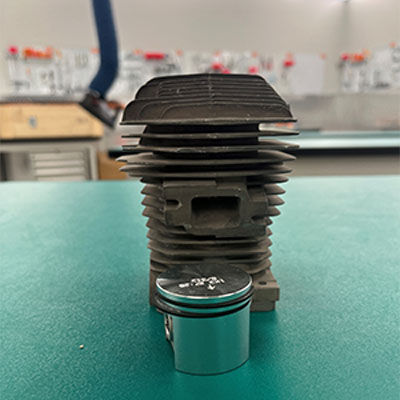
BRAND NEW PISTON
Every engine starts its life here. A brand new piston shows clean surfaces, zero carbon deposits, and clearly visible factory machine marks across the body. Maintaining this pristine, factory-fresh condition requires premium lubrication that protects the metal components from friction.
NO-OIL
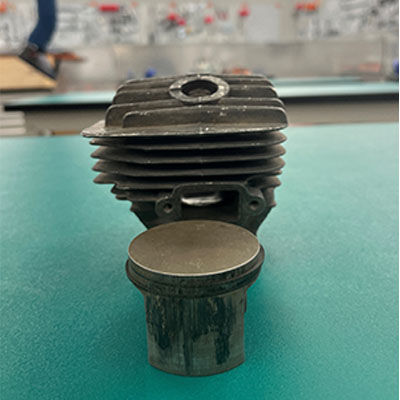
Running a two-stroke engine on raw petrol with absolutely no oil causes rapid, catastrophic failure. Without a protective oil barrier, the metal surfaces experience extreme friction and intense overheating. The piston skirts become severely scored, grooved, and physically cooked. This leads directly to a total engine seizure, completely ruining the machine.
POOR QUALITY OIL
Even if you mix your fuel diligently, using cheap or low-grade oil causes subtle, long-term destruction. Over a moderate amount of runtime, poor quality oil fails to prevent friction. This continuous friction grinds away the piston skirts until they develop a highly polished, mirror-like finish. While it looks shiny, it means the metal has worn down drastically, making the skirts thinner and narrower. This severe wear drastically shortens your engine's operational lifespan.
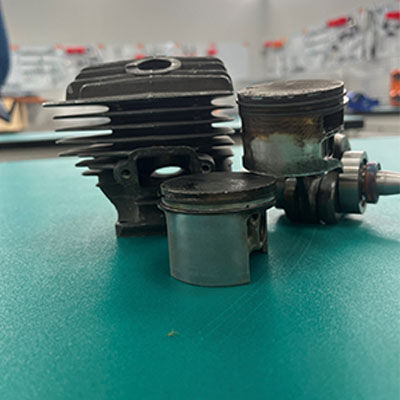
In addition using the wrong type of oil or a low-grade alternative often results in an incredibly dirty burn inside the combustion chamber. The oil fails to combust cleanly, leaving behind an ugly, thick layer of black carbon crust baked onto the top of the piston. This heavy carbon buildup causes severe engine complications over time, including hot spots, pre-ignition issues, and restricted exhaust flow.
If you use a high-quality two-stroke oil, your engine can achieve hundreds of hours of flawless operation with almost no change to the piston's condition. Spending a bit more on premium oil maximizes the life of your machinery and saves you from buying expensive replacement parts down the road.
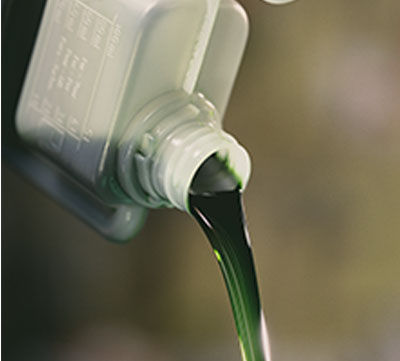
STIHL HP ULTRA OIL
STIHL HP Ultra is a premium fully synthetic two-stroke engine oil engineered to provide exceptional lubrication, reduce engine wear, and keep internal components cleaner for longer. Its advanced formula minimizes carbon buildup, helps maintain peak engine performance, and delivers reliable protection even under demanding operating conditions.
It is also highly biodegradable, making it an environmentally responsible choice for users who want maximum engine life and long-term reliability from their outdoor power equipment.


SUMMARY: GOOD v BAD OIL
- Two-stroke oil is essential for engine protection, lubricating critical components like the piston and cylinder to reduce friction and prevent premature wear.
- Running an engine with no oil causes catastrophic damage, leading to extreme heat, severe piston scoring, and possibly complete engine seizure.
- Cheap or low-quality oil causes gradual engine wear, polishing away piston material over time and significantly shortening the engine's lifespan, even when fuel is mixed correctly.
- Inferior oils can also create excessive carbon buildup, resulting in dirty combustion, hot spots, pre-ignition issues, restricted exhaust flow, and reduced engine performance.
- Premium two-stroke oil delivers long-term value, helping engines run for hundreds of hours with minimal wear, reducing repair costs and extending the life of outdoor power equipment.