
How to Use a Hedge Trimmer Safely and Effectively
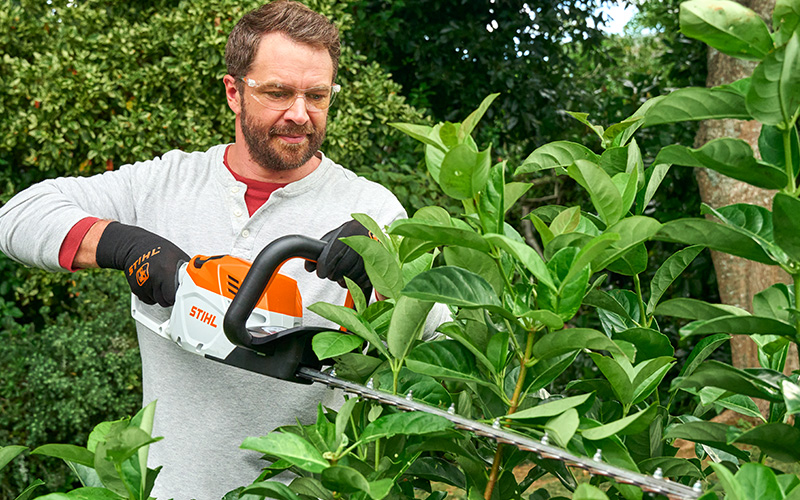
Enhance your garden's appearance by trimming your hedges. Using the right technique ensures a polished look while keeping your plants healthy.
This guide covers everything you need to know from choosing the right tool to trimming tips, seasonal timing, and maintenance. Whether you're a beginner or an experienced gardener, these tips will help you trim with confidence and precision.
WHY SHOULD YOU TRIM YOUR HEDGES REGULARLY?
Regular trimming helps shape your garden and keeps it looking neat. It also improves curb appeal, especially when hedges are used to frame paths or borders.
Overgrown hedges can block walkways, driveways, and fences. Trimming keeps these areas clear and safe.
Consistent trimming encourages dense growth, which is ideal for privacy and wind protection. It prevents hedges from becoming leggy or sparse and helps maintain a uniform appearance. For flowering hedges, trimming after blooms can lead to more vibrant displays the following season.
Trimming also reduces the risk of pests and diseases. By removing dead or diseased branches, you improve airflow and light penetration, which helps keep plants healthy.
HOW TO CHOOSE THE RIGHT HEDGE TRIMMER FOR THE JOB
When choosing between battery and petrol hedge trimmers, consider the size and condition of your hedge, including how tall it is, how often you trim and how thick the branches are.
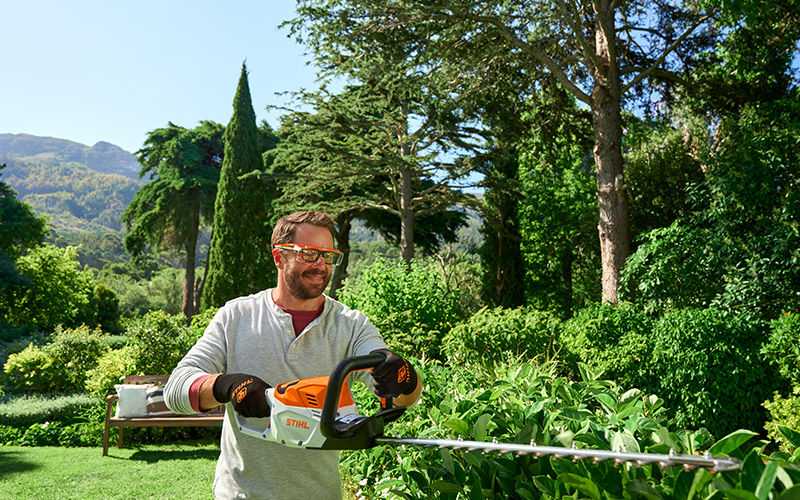
Battery hedge trimmers are ideal for nearly every hedge trimming scenario you can think of. They are super flexible and easy to work with. STIHL Battery technology delivers all the power and performance you need with exceptionally long run times. They are generally lighter than petrol equivalents and are much quieter. There is no mixing or storing of fuels and no starting requirement - you can simply pull the trigger and trim.
-

-
 STIHL HLA 66 Battery Pole Hedge Trimmer Kit (With Battery & Charger)
Special Price $924.00
-
 STIHL HSA 140 T Battery Hedgetrimmer Kit (With Battery & Charger)
Special Price $1,379.00
-
 STIHL HSA 150 Battery Hedge Trimmer Kit (with Battery & Charger)
Special Price $1,634.00
-
 STIHL HSA 140 R Battery Hedge Trimmer Kit (with Battery & Charger)
Special Price $1,379.00
-
 STIHL HSA 26 Battery Hedge Trimmer & Grass Trimmer (2 Batteries & Charger)
Special Price $265.00
-
 STIHL HSA 60 Battery Hedgetrimmer Kit (With Battery & Charger)Special Price $537.00 Regular Store Price $640.00
 -
 STIHL HSA 50 Battery Hedgetrimmer Kit (With Battery and Charger)Special Price $437.00 Regular Store Price $540.00
 -
 STIHL HSA 50 Battery Hedge Trimmer (no battery & charger)Special Price $225.00 Regular Store Price $275.00


Petrol hedge trimmers are built to get the job done. They are ideal for scenarios where access to power is limited and therefore charging of batteries is not an option. This can make them helpful for large and demanding jobs.
-
 STIHL HS 45 600mm Petrol Hedge TrimmerSpecial Price $495.00 Regular Store Price $595.00
If you’re unsure which one suits your needs, read our Hedge Trimmer Buying Guide for more information.
SAFETY FIRST: HEDGE TRIMMER PRECAUTIONS THAT MATTER
Before you start trimming, make sure you’re wearing the right protective gear. Gloves, safety glasses, and sturdy boots are essential. Long sleeves and ear protection are also recommended, especially when using petrol models.
Always inspect your trimmer before switching it on. Check that the blades are sharp, the handles are secure, and the power source is working properly. Replace damaged cords and sharpen dull blades before use.
Hold the trimmer with both hands and keep a stable stance. Avoid trimming above shoulder height and never use the tool while standing on unstable surfaces like ladders or uneven ground.
Clear the area of obstacles, pets, and children. If you're working near fences or walls, be mindful of blade contact to avoid damage or kickback.
TECHNIQUES FOR CLEAN, EVEN HEDGE TRIMMING
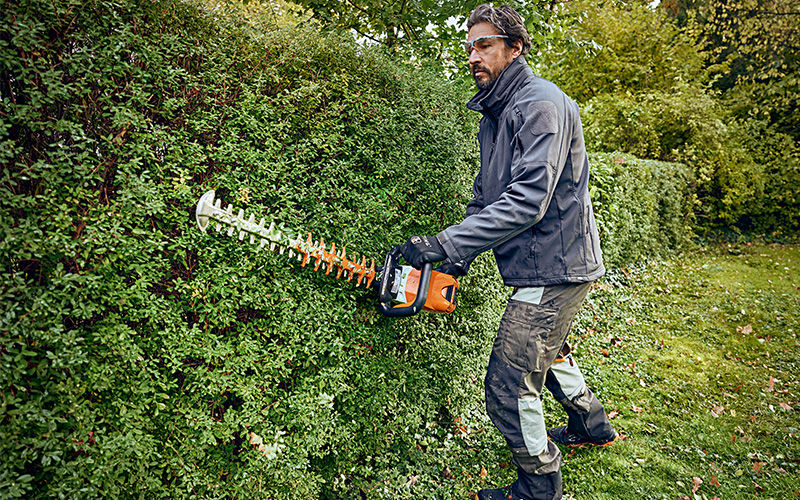
Begin by trimming the sides of the hedge. Start at the base and work your way up using large, sweeping cuts while walking forward. This helps maintain a consistent rhythm and prevents uneven trimming. In areas where visibility is limited, especially when trimming inward, use smaller, slightly angled motions to avoid cutting into the main trunk.
When trimming the top of the hedge, aim for a level and even finish. Using a guiding string or a measured stick can help you maintain a straight line. This step is important for both appearance and ensuring the hedge receives enough sunlight for healthy growth.
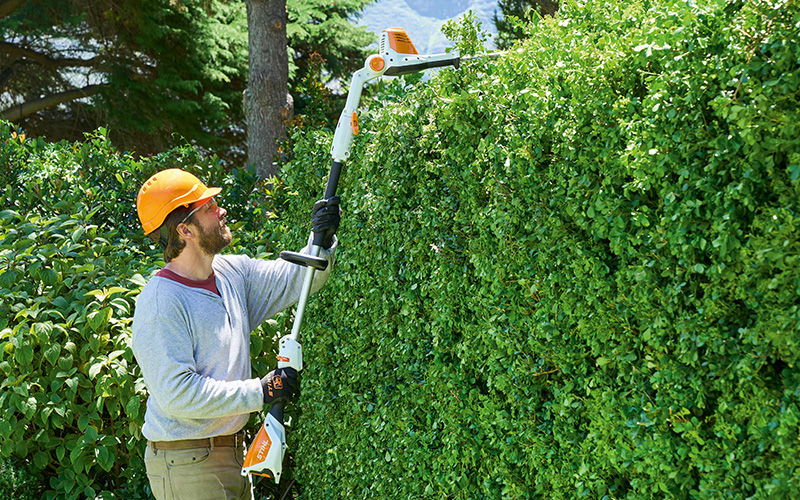
If the hedge is tall, using a ladder may slow you down and pose safety risks. A better option is a long-reach or pole hedge trimmer, which allows you to work more efficiently and safely. Tilting the blades slightly—about ten degrees toward the direction of the cut—can help achieve a cleaner finish.
Throughout the trimming process, step back regularly to check your angles and assess your progress. This helps ensure uniformity and allows you to spot any areas that may need additional attention. It’s also a good opportunity to appreciate the work you’ve done.
Trimming is different from pruning. Trimming shapes the hedge and keeps it tidy, while pruning controls growth and removes dead or diseased branches.
WHEN SHOULD YOU TRIM HEDGES IN NZ?
The best time to trim depends on the type of hedge you have. Seasonal timing helps protect plant health and encourages strong growth.
Evergreens
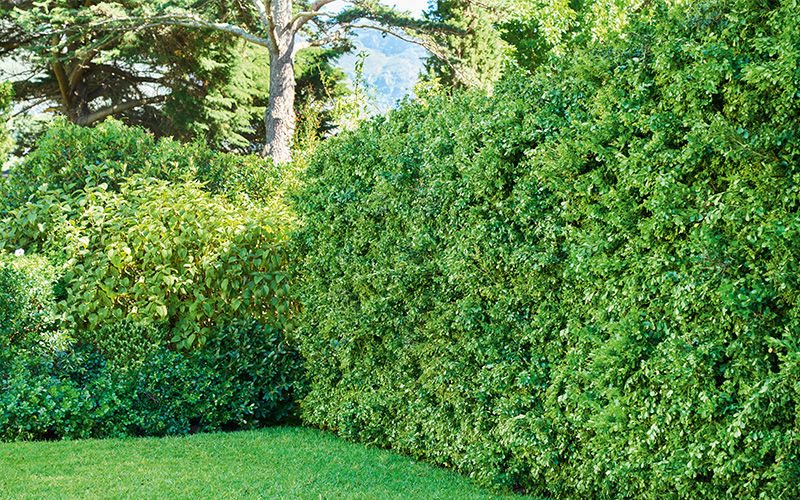
Can be trimmed lightly throughout the year but avoid heavy cuts in late autumn. Examples include Griselinia, Pittosporum, and Buxus. These hedges respond well to regular shaping and are commonly used for privacy screens.
Deciduous hedges
Best trimmed in late autumn or winter, well before new growth begins. These hedges benefit from structural pruning during dormancy.
Flowering hedges
Should be trimmed after they bloom. This helps preserve buds and encourages better flowering next season. Camellias, lavender, and hibiscus benefit from post-bloom trimming. Avoid trimming during bud formation to protect future blooms.
General shaping
Regular trimming during the growing season helps maintain a tidy appearance and encourages bushier growth. The ideal frequency depends on the type of hedge and how quickly it grows. Light trims are generally less stressful for the plant and help preserve its natural form.
Structural cuts
Usually done once or twice a year. These deeper trims help reset shape and remove older wood. Always use clean, sharp tools to avoid damaging the plant.
Avoid trimming during frosts or extreme heat, as this can stress or damage th
HOW TO MAINTAIN YOUR HEDGE TRIMMER AFTER USE
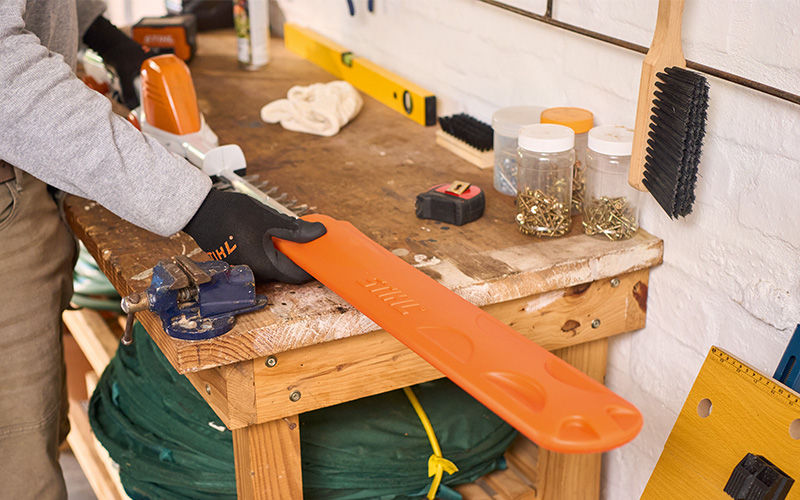
After using your hedge trimmer, it's important to clean the blades thoroughly to remove any plant residue, sap, or debris. This prevents the blades from sticking and helps maintain cutting performance. A resin solvent or blade cleaner, such as STIHL SuperClean, can be sprayed on both sides of the blade. Running the trimmer briefly after applying the cleaner helps distribute it evenly. Once done, wipe off any excess with a clean cloth to avoid attracting more debris during storage.


Next, inspect the trimmer for loose screws or bolts, which can loosen due to vibration during use. Tighten them gently, being careful not to restrict blade movement. If your trimmer has dull or chipped blades, sharpening or replacing them is essential to avoid damaging plants and overworking the motor. For battery-powered models, remove and clean the battery before storing it in a cool, dry place. Petrol models should have their fuel tanks emptied if stored for long periods, and electric models should be unplugged and checked for cord damage. Finally, store your hedge trimmer in a dry, secure location with a blade cover to protect it from moisture and rust.
For more tips, check out our Maintenance Guide.
HEDGE TRIMMING FAQS ANSWERED BY EXPERTS
Can you trim hedges in wet weather?
It’s not recommended. Wet leaves can clog the blades, and slippery conditions increase the risk of accidents.
How far can you cut back without harming plants?
Avoid cutting into old wood unless the plant is known to regenerate from it. Light shaping is safer and less stressful for the plant.
When should I trim hedges in New Zealand?
Late winter or early spring is ideal for most hedges. Avoid trimming during frosts or extreme heat, as this can damage the plant.
What’s the difference between trimming and pruning?
Trimming refines the shape of a hedge and keeps it tidy, while pruning controls growth by removing dead, diseased, or overgrown branches. Both are essential for healthy, well-maintained hedges.
How do I get straight lines when trimming?
Use guide strings or stakes. Step back frequently to check your progress and adjust as needed. A level or measuring stick can help maintain consistency.
GET STARTED WITH CONFIDENCE
With the right trimmer, a bit of planning, and some basic safety steps, hedge trimming can be a quick and rewarding job. It’s a great way to keep your garden looking sharp and healthy. Explore our full hedge trimmer range or visit your local STIHL SHOP for expert advice and hands-on help.
-
STIHL HSA 50 Battery Hedgetrimmer Kit (With Battery and Charger)Special Price $437.00 Regular Store Price $540.00
-
-
STIHL HLA 66 Battery Pole Hedge Trimmer Kit (With Battery & Charger)
Special Price $924.00
-
STIHL HSA 140 T Battery Hedgetrimmer Kit (With Battery & Charger)
Special Price $1,379.00
-
STIHL HSA 150 Battery Hedge Trimmer Kit (with Battery & Charger)
Special Price $1,634.00
-
STIHL HSA 140 R Battery Hedge Trimmer Kit (with Battery & Charger)
Special Price $1,379.00
-
STIHL HSA 26 Battery Hedge Trimmer & Grass Trimmer (2 Batteries & Charger)
Special Price $265.00
-
STIHL HSA 60 Battery Hedgetrimmer Kit (With Battery & Charger)Special Price $537.00 Regular Store Price $640.00
-
STIHL HSA 50 Battery Hedge Trimmer (no battery & charger)Special Price $225.00 Regular Store Price $275.00
SUMMARY: HOW TO USE A HEDGE TRIMMER
- Wear protective gear: gloves, safety glasses, sturdy boots, long sleeves, and ear protection.
- Choose trimmer by hedge size: battery for most; petrol for large or remote jobs.
- Trim sides from base upward using sweeping cuts; step back often to assess uniformity.
- Use guide strings or a measuring stick to keep hedge tops straight and level.
- Clean and sharpen blades after use; tighten fasteners; store batteries cool and empty petrol.