
Wet and Dry Vacuum Cleaner Guide: Setup, Use & Maintenance Tips
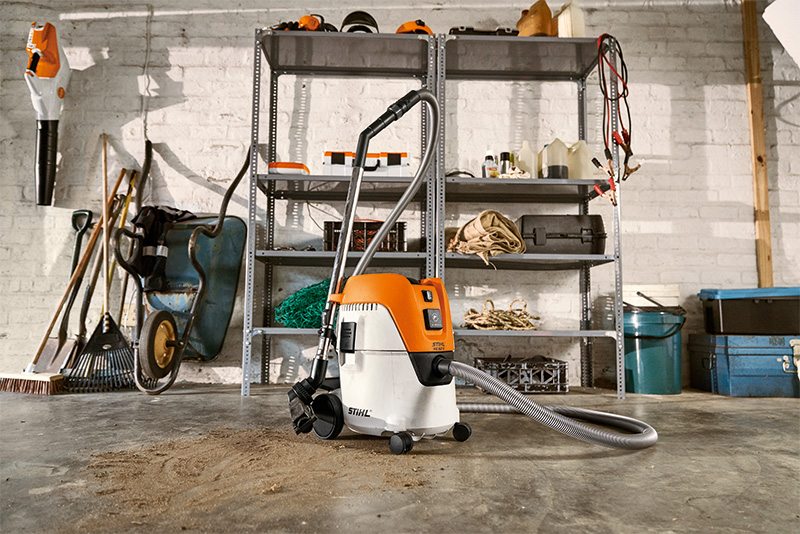
Have you ever wished you could simply vacuum up a spill or tackle a messy job without the hassle of switching tools? A wet and dry vacuum cleaner makes that possible. Unlike ordinary household vacuums, these heavy‑duty machines are designed to handle almost anything from dust, crumbs, water, mud, and even semi‑liquids like soup or unexpected pet messes.
Whether you’re a homeowner, DIY enthusiast, or a cleaning professional a wet and dry vacuum cleaner is an incredibly useful tool to have on hand. These machines deliver power, convenience and reliability when maintaining your home, tiding the garage or keeping a job site safe and clean.
STIHL offers a wide range of Wet & Dry Vacuums, available in both electric and battery‑powered models, suitable for everything from everyday household use through to demanding trade environments.
How to Choose the Right Wet and Dry Vacuum Cleaner
Understanding the key features will help you select the right machine for your needs:
Suction Power (Vacuum mbar)
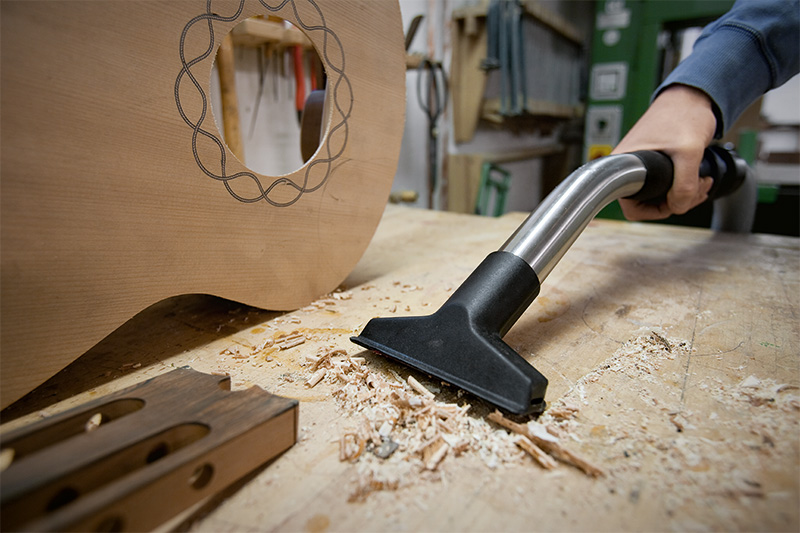
Suction power determines how effectively the vacuum can lift dirt, water, and heavier debris.
-
Below 150 mbar → suitable for light‑duty
-
180 - 210 mbar → ideal for home and garage use
-
250+ mbar → very strong suction, high performance
Understanding suction power helps you choose a machine that can handle the types of messes you expect to clean.
Container Size
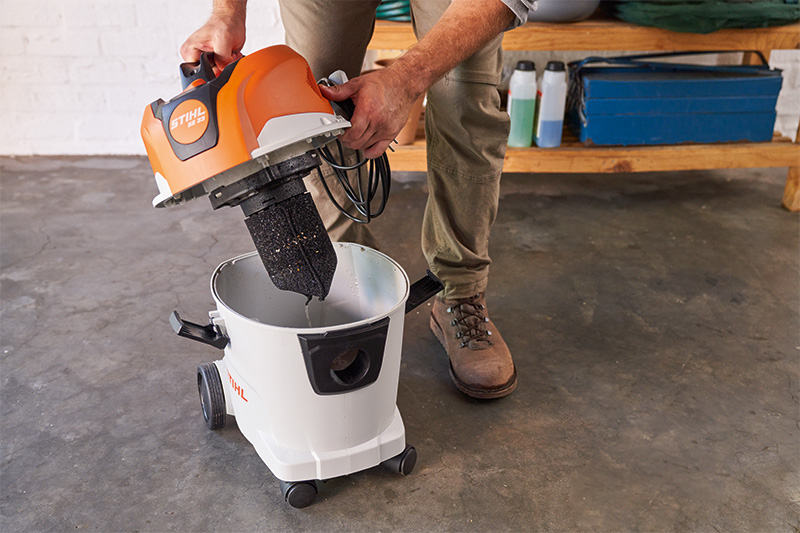
The container (or tank) holds the dust, debris, and liquids you vacuum up. Larger tanks let you work longer without emptying, but they also make the machine bigger and heavier.
STIHL Wet and Dry Vacuum cleaners contianer size range between 12 - 42L depending on the model.
Hose Length
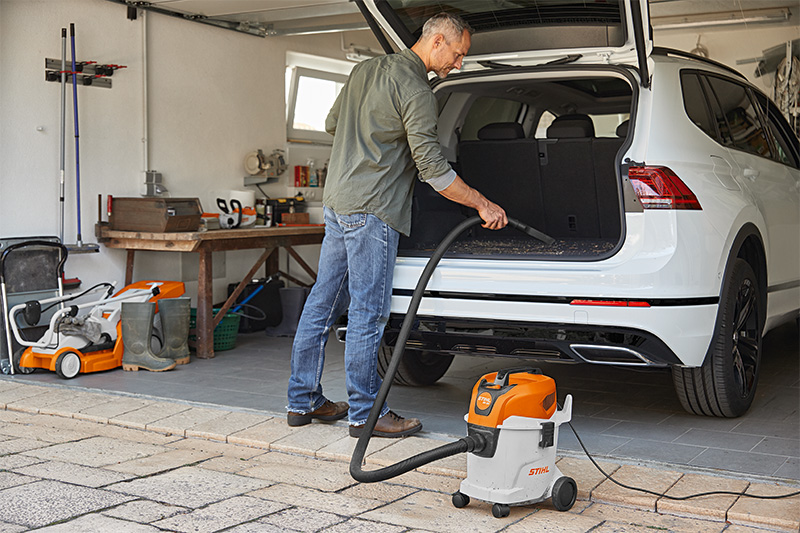
A longer hose gives you more reach, allowing you to clean larger areas without constantly moving the vacuum. It’s a simple feature that makes a big difference in convenience.
STIHL Wet and Dry Vacuum cleaners offer hose lengths ranging from 2-5m lengths depending on the model.
Attachments
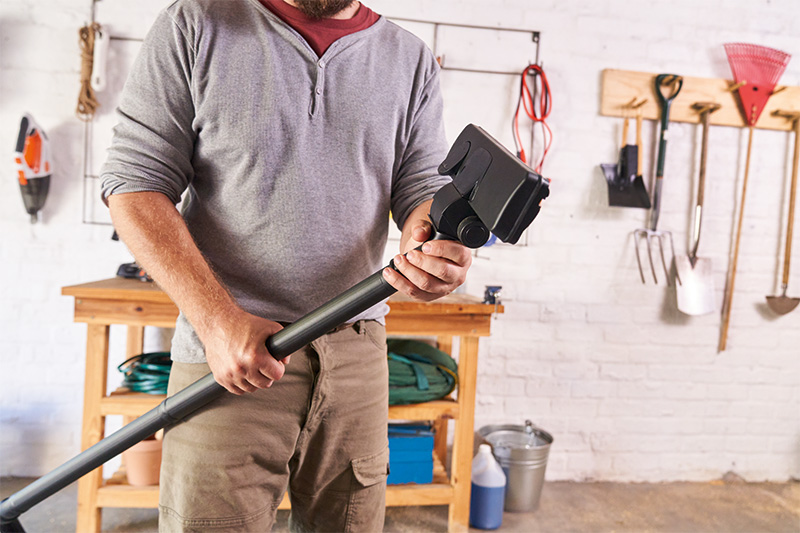
The right attachments make cleaning easier and more efficient.
STIHL Wet & Dry Vacuums come standard with:
-
Crevice tool
-
Floor nozzle
Both can be stored neatly on the machine for quick access.
Additional vacuum accessories such as a car cleaning kit, extension tubes and combination floor nozzles are available seperately for more specialised tasks.


Filtration System
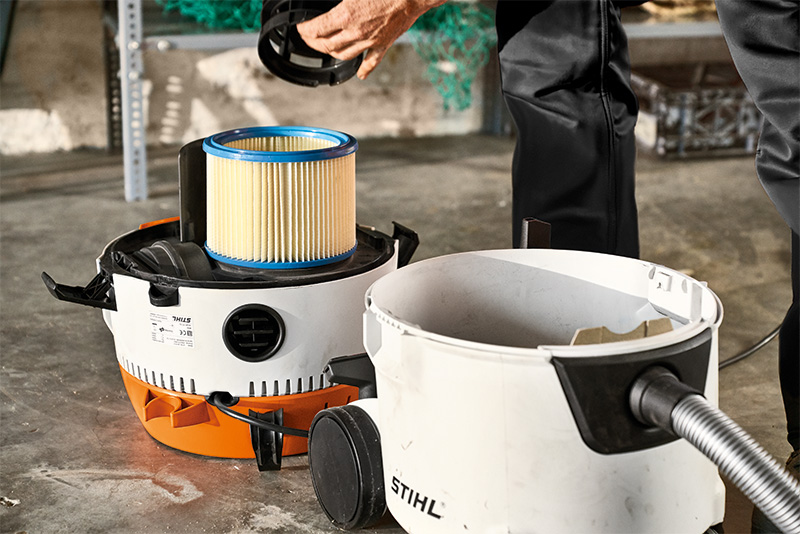
A good filtration system improves suction performance, protects the motor, reduces dust in the air, and ensures safer wet vacuuming. It also helps prevent fine particles from escaping back into the room, which is especially important for people with allergies or asthma, as cleaner exhaust air reduces exposure to irritants that may trigger symptoms. Wet and dry vacuum cleaners are often equipped with filtration systems designed to capture very fine dust particles, making them particularly effective in environments where microscopic debris or allergen‑rich dust is a concern.
The two most common filter types you’ll see in wet and dry vacuums are PTFE and PET.
PTFE Filters
PTFE filters are premium, high‑performance filters with a non‑stick, Teflon‑like membrane. They’re designed to trap extremely fine dust while resisting clogging.
Best for:
-
Plaster dust
-
Cement dust
-
Sanding dust
-
Other ultra‑fine particles
The non‑stick surface makes them easy to clean, and maintain strong suction even in dusty environments making them ideal for professional or trade use.
**Always refer to relevant WorkSafe guidelines to ensure dust‑extraction equipment used in professional or trade environments meets required safety standards.
STIHL Wet and Dry Vacuum Cleaners with PTFE Filters:

PET Filters
PET filters are strong, washable fleece filters that are durable, moisture‑resistant, and perfect for general wet and dry vacuuming.
Best for:
-
Everyday dust and debris
-
Sawdust
-
Liquid spills
-
General home and workshop cleaning
-
Hair and dander without blocking airflow
Because they’re washable and tear‑resistant, PET filters are a practical, long‑lasting option for regular use.
STIHL Wet and Dry Vacuum Cleaners with PET Filters:
-
 STIHL SEA 60 L Battery Vacuum Cleaner (No Battery & Charger)Special Price $395.00 Regular Store Price $445.00
 -
 STIHL SEA 100 L Battery Vacuum Cleaner (No Battery & Charger)Special Price $495.00 Regular Store Price $545.00
 -
 STIHL SEA 50 L Battery Vacuum Cleaner (No Battery & Charger)Special Price $295.00 Regular Store Price $345.00


Step-by-Step Guide on Using a Wet and Dry Vacuum
These instructions are general and may vary slightly depending on the STIHL Wet & Dry Vacuum model you have.
Important: Never operate your wet and dry vacuum cleaner with a damaged filter element or without the correct filter installed.
We always recommend reading your model’s manual before first use, as setup steps can vary slightly between machines.
Setting Up for Dry Vacuuming
Some STIHL models require both a filter bag and a cartridge filter when collecting dust and dirt.
-
Fit the cartridge filter securely onto the motor housing.
-
Install the filter bag inside the container if your model requires one.
-
This setup is ideal for fine dust and makes disposal easier.
Setting Up for Wet Vacuuming
When using your machine as a water vacuum cleaner, the setup changes slightly:
-
Remove the filter bag before vacuuming liquids.
-
If your model includes a foam filter, slide it over the motor housing (check your manual to confirm).
-
Ensure all components are dry and correctly fitted before switching back to dry vacuuming.
Additional vacuum accessories such as the car cleaning kit, extension tube, and combination floor nozzle, are available separately for STIHL electric Wet & Dry Vacuums.
5. Emptying the Vacuum
Dry Vacuuming (with filter bag):
-
Turn off and unplug the vacuum.
-
Release the side clips and open the container.
-
Remove the filter bag and dispose of it appropriately.
-
Install a new filter bag if continuing dry vacuuming.
Wet Vacuuming:
-
Turn off and unplug the vacuum.
-
Release the side clips and open the container.
-
Carefully pour out the collected liquid at a suitable disposal point.
-
Wipe the container clean if needed.
-
Allow the tank to dry fully before switching back to dry vacuuming.


Maintenance and Safety Tips
Before Each Use
-
Inspect the machine for any visible damage.
-
Check the power cord, hose, and attachments.
After Each Use
-
Empty and clean the container.
-
Wipe down the exterior.
-
Clean the ventilation slots in the motor housing as needed.
-
Inspect the filter bag and filter elements regularly.
How to Clean the Filter
Signs your filter needs cleaning:
Regardless of type, clean your filter if you notice:
-
Reduced suction
-
The motor sounding louder than usual
-
Dust blowing out the exhaust
-
The container filling faster than normal
PET Filters
PET filters are washable and ideal for regular use in a wet and dry vacuum cleaner.
-
Remove the filter cartridge.
-
Brush off coarse dirt.
-
Rinse under running water (no detergents or high‑pressure cleaners).
-
Allow the filter to dry completely before reinstalling.
PTFE Filter
PTFE Filters should not be washed as it weakens the filter structure and can cause it to seperate from the backing material.
-
Tap the filter gently to remove dust
-
Brush off losse debris with soft brush
-
Avoid water, detergents or high pressure cleaning.
If you are unsure, clean your filter more often rather than less. A clean filter protects the motor and improves airflow and extends the life of your vacuum.
Replacement vacuum bags and filter elements vary by model, always check your manual or product guide to ensure you purchase the correct parts.
Tips for Cleaning Pet Hair with a Wet and Dry Vacuum Cleaner

A wet and dry vacuum cleaner is an excellent tool for pet owners. It makes quick work of pet hair on car seats, boot liners, garage floors, outdoor mats, and even deep‑cleaning sessions after grooming. It also handles pet‑related spills and accidents far more effectively than a standard vacuum.
PET filters are especially useful here, they’re designed to handle hair and dander without blocking airflow, helping your vacuum maintain strong suction.
Expert tip: For stubborn or embedded pet hair, try lightly misting the carpet or upholstery (avoid soaking it). This helps the hair clump together, making it easier for the vacuum to lift.
Avoid vacuuming soaking‑wet hair, as it can clump inside the hose. If you’re using your vacuum in wet mode, always rinse and empty the container afterwards to prevent odours and buildup.
-
STIHL SEA 60 L Battery Vacuum Cleaner (No Battery & Charger)Special Price $395.00 Regular Store Price $445.00
-
STIHL SEA 100 L Battery Vacuum Cleaner (No Battery & Charger)Special Price $495.00 Regular Store Price $545.00
Frequently Asked Questions
1. Can I use a wet and dry vacuum cleaner for pet hair?
Yes. A wet and dry vacuum cleaner is ideal for removing pet hair, dander, and pet‑related spills or accidents. Its stronger suction and wider hoses make it far more effective than a standard vacuum.
2. How often should I clean the filters?
Clean the filters as needed, but increase frequency if you notice:
-
Reduced suction
-
The motor sounding louder than usual
-
Dust blowing from the exhaust
-
The container filling faster than normal
-
Regular filter maintenance ensures optimal performance and extends the life of your vacuum.
3. Are accessories compatible across different brands?
No. Not all accessories are compatible with STIHL Wet & Dry Vacuums. Always check the relavant STIHL vacuum accessories product page to confirm compatibility with your specific model.
4. Is it worth getting a wet and dry vacuum cleaner?
Absolutely. It’s a versatile, durable, and reliable tool that makes cleaning wet or dry messes in any environment such as home, workshop, garage, or outdoors much easier. With simple maintenance and long‑lasting components, it’s a smart investment for New Zealand households and professionals.
5. What STIHL Wet and Dry Vacuum is best?
The best model depends entirely on your cleaning needs, whether you’re tackling everyday household mess, workshop dust, vehicle cleaning, or professional‑level debris. Consider suction power, tank size, filtration type, and whether you prefer electric or battery‑powered models.